
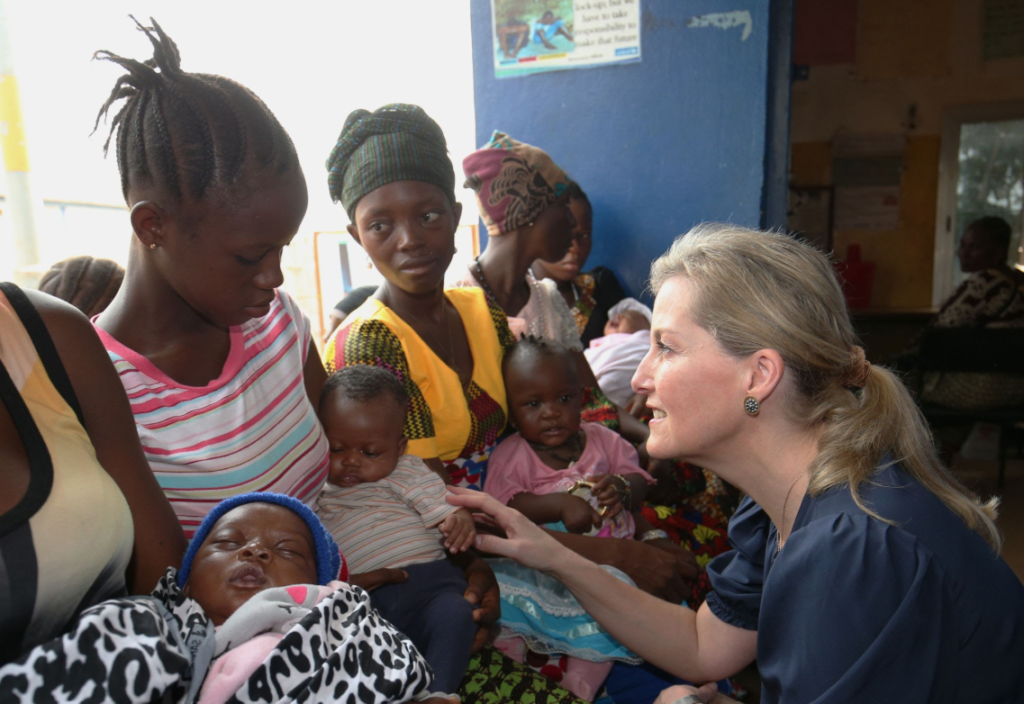
Every child born in Sierra Leone carries the hopes of a family, a community, and our nation’s future. Yet, for too many families across our country, that hope is cut short before it truly begins.
Despite significant national strides over the past decade, Sierra Leone continues to face some of the highest infant and under-five mortality rates in the world. Behind every data point we collect at the Centre for Health Research and Training (CHaRT-SL) is a grieving family, a silent home, and a reminder of the gaps that still exist in our healthcare delivery system.
But at CHaRT-SL, we believe that data shouldn’t just measure tragedy, it should be the tool we use to prevent it.
The Invisible Factors Shaping Infant Health
When we look at infant mortality, it is easy to focus entirely on the clinical causes: birth asphyxia (lack of oxygen at birth), neonatal sepsis (severe infections), malaria, and pneumonia. While these are the immediate medical triggers, our research shows that the true root causes stretch far beyond the clinic walls.
Infant survival is deeply tied to a complex web of overlapping challenges that we track closely through our Health and Demographic Surveillance System (HDSS):
- Socioeconomic Barriers: A mother’s education level, household income, and proximity to a functioning health facility heavily dictate her child’s chances of survival.
- Climate Change and Nutrition: Shifting weather patterns directly affect crop yields and food security, leading to maternal malnutrition, low birth weights, and vulnerable immune systems in newborns.
- The Power of Clean Water: Diarrheal diseases remain a top threat, heavily driven by limited access to safe water and sanitation in remote communities.
From Surveillance to Action: How CHaRT-SL is Making a Difference
To fix a problem, you first have to see it clearly. Through our HDSS and Comprehensive Health & Epidemiological Surveillance (CHESS) platforms, CHaRT-SL works on the ground to capture real-time, longitudinal data across communities.
By tracking pregnancies, births, and health outcomes at the household level, we provide policymakers and healthcare partners with the precise evidence they need. We help answer the critical questions: Where are the gaps in antenatal care? Why are mothers delivering at home instead of clinics in certain districts? What environmental factors are triggering local disease spikes?
Furthermore, our team is committed to training the next generation of public health leaders at UNIMTECH, equipping them with advanced data analysis and epidemiological skills so Sierra Leone can solve these challenges from within.
Looking Forward
Reducing infant mortality requires a collective effort. It means investing in rural health clinics, supporting community health workers, empowering mothers through education, and adapting our healthcare strategies to the realities of climate change.
Data gives these vulnerable infants a voice. By transforming raw statistics into actionable national policies, CHaRT-SL is proud to stand at the forefront of this fight. We invite our partners, researchers, and global funders to join us as we continue building an evidence-based roadmap to a healthier, safer Sierra Leone—one birth at a time.